
Loading...
Serving Augusta, GA and surrounding areas. (762) 320-1398
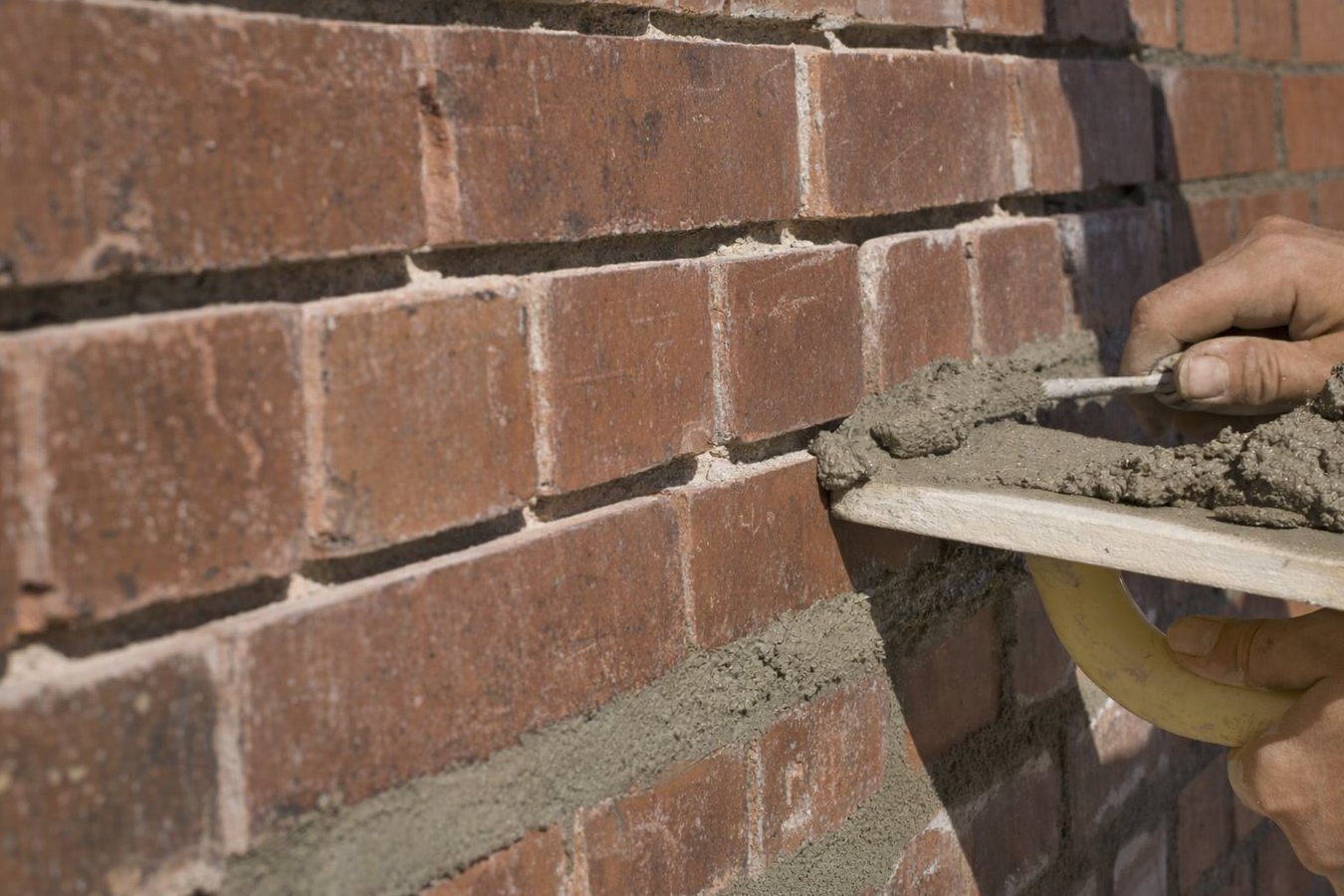
Crumbling mortar is the number one way water gets into a brick home. Augusta summers pour rain into every gap, and once water is behind the wall it causes damage you cannot see until it gets expensive. Repointing now costs far less than what comes next.
Brick pointing in Augusta means removing old, crumbling mortar from the joints between bricks and replacing it with fresh mortar matched to the existing mix - most standard single-story pointing jobs are done within one to three days and do not require you to leave your home or do any significant prep work.
Mortar is softer than brick by design - it is meant to absorb movement and moisture so the bricks themselves do not crack. Over time, Augusta's heat, humidity, and occasional winter freezes wear it down until it crumbles or pulls away from the brick face. Once that happens, water gets in behind the wall, and what started as a $500 maintenance job can turn into a several-thousand-dollar water damage repair. If your mortar is failing and you also have bricks that are cracked or spalling, our brick repair service handles both in one visit. For homes where the chimney is the main concern, we pair pointing with our foundation repair assessment if you are also noticing cracks in the structure lower down.
Run a key or fingernail along the joints between your bricks. If the mortar breaks away easily, feels soft, or leaves a groove, it has failed. This is the clearest sign that pointing is overdue. In Augusta, once a joint opens up, every summer thunderstorm drives water directly into that gap.
Damp spots, staining, or peeling paint on interior walls after a heavy Augusta rainstorm can point directly to failing mortar on the exterior. Augusta's summer storms are intense, and even small gaps allow significant water infiltration during a downpour. Do not wait for visible mold or rot before getting the exterior checked.
That white residue is efflorescence - mineral salts left on the surface as water moves through the wall and evaporates. It is a sign moisture is getting into the masonry somewhere. In Augusta's humid climate, that moisture intrusion can lead to mold and structural damage if the source is not addressed.
Stand back and look at your wall from an angle. If the mortar between the bricks sits noticeably lower than the brick face - almost recessed - it has eroded significantly. Healthy mortar sits close to flush with the brick. Deep recession means water pools in those joints every time it rains, which speeds up further damage.
We repoint brick on exterior walls, chimneys, garden walls, retaining walls, and historic facades throughout Augusta and the surrounding area. Every job starts with a careful assessment - we look at how deep the mortar damage goes, whether any bricks are also cracked or shifting, and what mortar mix will be the right match for the brick in front of us. Getting the mortar mix right matters more than most homeowners realize: a mix that is too hard for your brick type causes the brick itself to crack over time. When pointing work reveals individual bricks that are cracked or badly spalling, we can coordinate that repair through our brick repair service so the whole wall is addressed in one project. When a chimney needs pointing along with structural work at the base of the home, we pair the pointing with a foundation repair assessment so nothing is missed.
For Augusta's older homes - particularly those in Summerville, Olde Town, and the Hill - we specifically ask about the age of the brick and take a small mortar sample when needed to guide the mix. Homes built before World War II used softer brick and lime-based mortars that require a gentler replacement mix. Using modern high-strength mortar on those walls is one of the most common mistakes in this trade, and we do not make it.
Right for homeowners with crumbling or recessed mortar on a brick house exterior, garden wall, or boundary wall where water infiltration is a concern.
Suited for homeowners whose chimney mortar is visibly deteriorated, especially after a few Augusta storm seasons, with soft joints that need to be ground out and replaced.
Best for homeowners in Augusta's older neighborhoods whose homes were built before 1960 and require a custom mortar mix matched to softer historic brick.
Ideal for homeowners who caught small areas of failing mortar early and want a targeted repair before the damage spreads to a larger section of wall.
Augusta sits in a humid subtropical climate with long, hot summers and high year-round humidity. That combination - heat baking the mortar and moisture working into every crack - breaks mortar joints down faster here than in drier climates. Homeowners in Augusta should expect to have their brick inspected every 10 to 15 years rather than waiting for obvious damage, because deterioration often starts from the inside out. Augusta's clay-heavy soil also causes subtle foundation movement that opens mortar joints even on walls that otherwise look fine, particularly near corners or along the base of a wall. Homeowners in Aiken and Martinez face the same soil and climate conditions, and we bring the same approach to every job throughout the service area.
Augusta's historic neighborhoods - Summerville, Olde Town, and the Hill - have a large inventory of brick homes built between the 1880s and the 1950s. Brick from that era was often made locally and is softer than modern brick, which means repointing requires a softer mortar mix - not whatever comes off the shelf. The National Park Service Preservation Briefs on repointing are clear on this: using mortar that is too hard on older brick damages the bricks themselves over time and cannot be reversed cheaply. We follow that guidance on every historic home we work on.
Describe what you are seeing - crumbling joints, staining, or damp spots after rain. You do not need to know the terminology. We reply within one business day and may ask for a few photos before scheduling a visit.
We walk the wall or chimney, check how deep the damage goes, look for cracked or shifting bricks, and assess what mortar mix is the right match. You get a written estimate that breaks out what was found and what the repair involves.
The crew grinds out old mortar to a consistent depth - about three-quarters of an inch - packs in fresh mortar matched to your joints, and tools the surface to match the original profile. Brick faces are kept clean throughout.
After the job is done, the crew cleans up debris and removes all equipment. New mortar needs 48 hours before it can get wet, and about four weeks to reach full strength. We walk you through what to watch for before we leave.
Free on-site estimate. No obligation. We reply within one business day.
(762) 320-1398We assess the brick age and condition before selecting a mortar mix. For Augusta's historic neighborhoods, that often means a softer, lime-based mix that flexes with the wall instead of working against it. Using the wrong mix on old brick is irreversible - we get it right the first time.
We cover Augusta-Richmond County and the surrounding area including Columbia County, Aiken County, and communities like Evans, Martinez, and North Augusta. The same mortar matching process and care for older brick applies on every job, regardless of location.
You will not get a single total number with no explanation. We walk the wall, document what we find, and give you a written estimate that breaks down what needs attention and why. No surprises at the end of the job.
In Georgia, contractors doing masonry work above a certain dollar threshold are required to hold a state license. You can verify license status through the Georgia Secretary of State. For pointing work that extends into structural repairs, we know when a permit is required and handle the application with Augusta-Richmond County. Georgia Secretary of State contractor licensing is publicly searchable at any time.
Every brick pointing job we take on is assessed in person, estimated in writing, and done with a mortar mix chosen for that specific wall and brick type. Augusta homeowners get straight answers about what their brick actually needs - not a push toward the most expensive scope.
For guidance on repointing historic masonry, see the National Park Service Preservation Briefs on repointing mortar joints. For standards on brick masonry, visit the Brick Industry Association.
Address structural cracks and movement at the base of your home before water infiltration from failing mortar causes deeper damage to the foundation.
Learn moreA precision finishing technique that creates clean, dual-color mortar joints on brick walls, combining structural repair with a refined appearance.
Learn moreSpring booking slots fill fast - reach out now before the busy season starts and mortar damage gets worse through another summer.